
Jul 3, 2026
How to Clean a Beaded Bag Without Damaging It
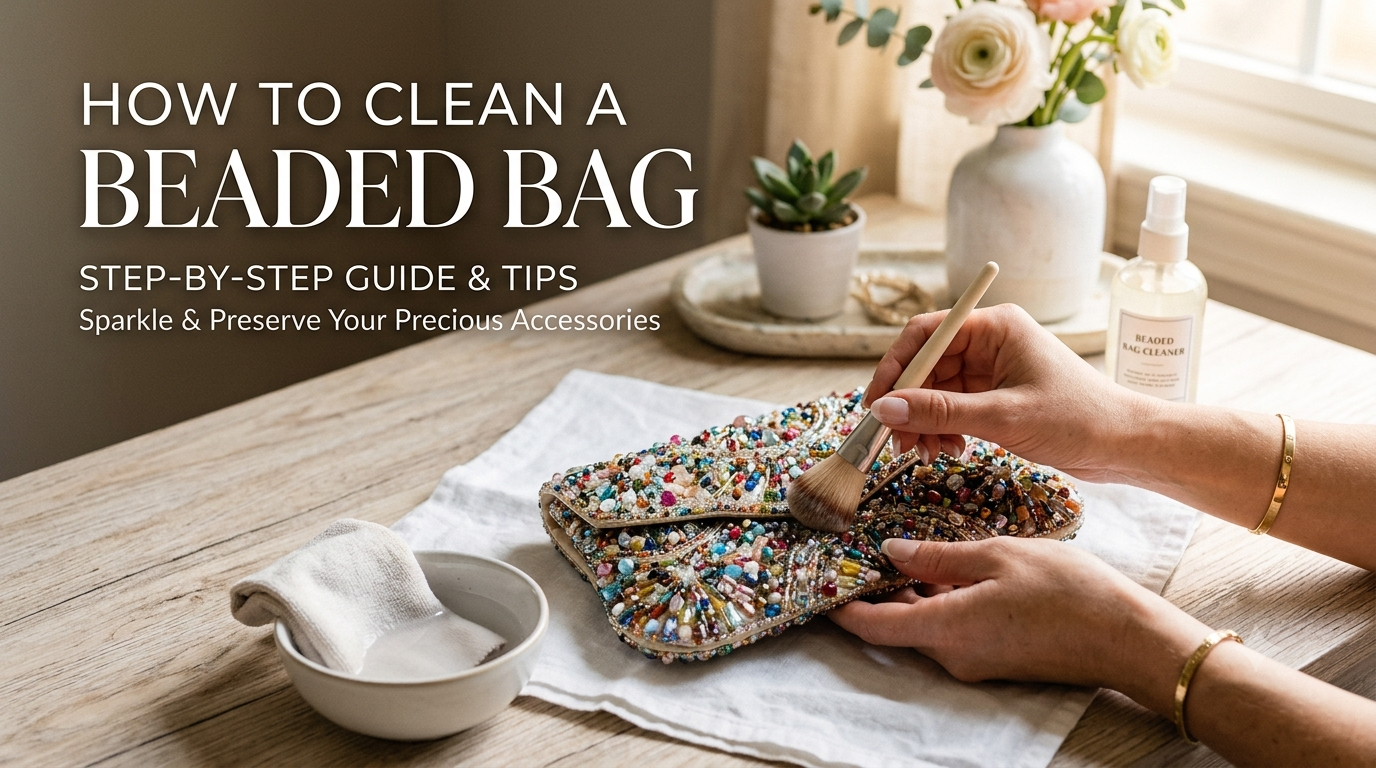
How to Clean a Beaded Bag Without Damaging It
If you are searching for how to clean a beaded bag, you probably want a safe way to remove dust, stains, or everyday dirt without loosening the beads, weakening the stitching, or damaging the fabric. Whether you own beaded purses, beaded hand bags, a delicate evening accessory, or are looking for how to clean a vintage beaded bag or how to clean staud beaded bag, the right method is all about gentle cleaning, a soft cloth, and proper bead care.
Beaded bags are beautiful, but they also need careful handling because too much water, harsh cleaners, or rough scrubbing can harm the surface and the structure. In this guide, you’ll learn how to clean a beaded bag the right way while supporting fabric protection and long-term wear.
Why Beaded Bags Need Special Care
Beaded bags are not like regular handbags. The beads are often stitched onto delicate fabric and both the embellishments and the base material can be sensitive to moisture, friction, and chemicals. Even a small mistake during cleaning can cause beads to loosen, threads to fray, or colors to fade.
That is why how to clean a beaded bag starts with understanding the bag’s construction. A gentle approach helps preserve the bag’s appearance while extending its life, especially for vintage pieces and premium fashion bags.
Before You Start Cleaning
Before you begin any gentle cleaning, check the bag carefully. Look for loose beads, weak stitching, stains, and areas where the lining or fabric is fragile. If the bag has missing beads or already damaged seams, clean only the surface lightly and avoid adding pressure to those areas.
It is also smart to test any cleaning method on a hidden spot first. This is especially important when learning how to clean a vintage beaded bag or a designer-style piece such as how to clean staud beaded bag, because older materials may react differently than newer ones.
What You Need
For safe cleaning, keep the tools simple and soft. You do not need heavy products or strong detergents.
Use these items:
-
A soft cloth
-
A clean microfiber cloth
-
Cotton swabs
-
A soft brush with very fine bristles
-
Mild soap diluted in water
-
A dry towel for blotting
These basic tools support bead care and help with fabric protection while reducing the risk of damage. Avoid bleach, alcohol, hard brushes, soaking, or machine washing.
Step-by-Step Guide
1. Remove surface dust first
Start with a completely dry soft cloth or microfiber cloth. Gently wipe the surface to remove dust and loose particles. If the bag has detailed beadwork, use light strokes and avoid pressing too hard.
This step matters because dust can turn into a muddy residue once moisture is added. When you are figuring out how to clean a beaded bag, dry dust removal should always come first.
2. Clean only the dirty spots
If you see small marks or stains, do not wash the whole bag. Instead, mix a tiny amount of mild soap with water and dampen a cloth or cotton swab. Gently dab the affected area.
Use gentle cleaning rather than rubbing. This approach helps protect the beads, stitching, and fabric base. It is also a useful method for many beaded purses and beaded hand bags that only need light refreshment.
3. Avoid soaking the bag
Never submerge a beaded bag in water unless the manufacturer specifically says it is safe. Water can weaken glue, loosen stitching, and damage decorative finishes.
If the lining needs attention, clean it separately and carefully, keeping moisture away from the outer beadwork. For most bags, especially older ones, fabric protection means using minimal moisture only where needed.
4. Dry it properly
After spot cleaning, blot gently with a dry towel. Then leave the bag in a cool, well-ventilated place to air dry naturally. Keep it away from direct sunlight and heat, which can fade color and affect delicate materials.
Proper drying is a major part of how to clean a beaded bag because even a careful wash can lead to damage if the bag is dried incorrectly.
5. Restore shape and store safely
Once the bag is fully dry, reshape it lightly with clean hands if needed. Store it in a dust bag or soft cotton pouch. If the bag is vintage or heavily embellished, stuff it with acid-free tissue paper to help maintain its shape.
This final step supports long-term bead care and keeps beaded purses looking polished between uses.
How to Clean a Vintage Beaded Bag
Learning how to clean a vintage beaded bag requires extra patience. Vintage bags may have weaker threads, brittle fabric, or beads that no longer sit tightly in place. That means less moisture, less pressure, and more observation.
Use a dry soft cloth first, then spot clean only if absolutely necessary. If the bag has sentimental or resale value, consider consulting a professional conservator before doing any deep cleaning. This is the safest way to preserve both appearance and structure.
How to Clean a Staud Beaded Bag
If you are searching specifically for how to clean staud beaded bag, the best advice is to follow the same gentle principles: dry dusting first, minimal moisture, and no harsh products. Designer-style beaded bags often have highly detailed embellishments that can be damaged by aggressive cleaning.
Always check the care label if available. If the label is missing, treat the bag as delicate and use the mildest possible method. That approach protects the craftsmanship and keeps the design looking refined.
Common Mistakes to Avoid
Many people accidentally damage beaded bags by cleaning them too aggressively. To avoid that, remember these mistakes:
-
Do not scrub the beads.
-
Do not soak the bag in water.
-
Do not use bleach or strong detergent.
-
Do not wring, twist, or squeeze the bag.
-
Do not dry it under direct sunlight.
-
Do not use rough brushes or abrasive cloths.
These mistakes can weaken bead attachment, damage embroidery, and reduce the life of the bag. If you want your beaded purses and beaded hand bags to last, keep the process slow and gentle.
How Often Should You Clean It?
You do not need to clean a beaded bag after every use. In most cases, light dusting after occasional wear is enough. Spot cleaning should be reserved for visible dirt or stains.
For bags used often in travel, events, or retail displays, a quick surface wipe every few uses can help maintain their look. The goal is not frequent washing. The goal is consistent bead care and good fabric protection.
Why This Matters for Buyers and Brands
For global buyers, retailers, and fashion brands, the condition of a beaded bag affects perceived quality. A well-maintained bag looks more premium, lasts longer, and creates a better customer experience.
At Panoramic Exports, we understand that fashion buyers look for craftsmanship, durability, and presentation. As a manufacturer and exporter of raffia bags, fashion bags, and leather goods based in Noida and Kolkata, India, we support global clients with ethical production standards and export-focused quality. With 25 years of experience and Sedex Certified compliance, we help brands source products that are made to perform and designed to impress.
Why Choose Panoramic Exports
If you are sourcing fashion accessories for international markets, Panoramic Exports offers a dependable manufacturing and export partner. Our team serves global clients only, and we focus on quality, compliance, and reliable execution across every stage of production.
Our experience in fashion bags and accessories makes us a strong choice for brands seeking high-value product development, consistent supply, and professional support. If your business needs a trusted exporter for fashion-forward bags, we are ready to help.
FAQ
How to clean a beaded bag without damaging it?
Use dry dusting first, then spot clean with a soft cloth and a little mild soap diluted in water. Avoid soaking, scrubbing, and harsh chemicals to protect the beads and fabric.
How to clean a vintage beaded bag safely?
For how to clean a vintage beaded bag, use the gentlest method possible: dry dusting, minimal moisture, and air drying. Vintage bags are often more fragile, so avoid strong cleaners and too much handling.
How to clean staud beaded bag?
If you are wondering how to clean staud beaded bag, treat it like any delicate embellished accessory. Use gentle cleaning, a soft cloth, and spot treatment only when necessary.
Can beaded purses be washed in water?
Most beaded purses should not be fully washed or soaked in water. A light damp cloth is safer for surface cleaning, especially when the fabric and stitching are delicate.
What is the best way to care for beaded hand bags?
For beaded hand bags, store them properly, avoid overfilling, keep them away from moisture, and use soft materials for cleaning. Good bead care helps maintain the look and structure over time.
Why is gentle cleaning important for beaded bags?
Gentle cleaning reduces the risk of bead loss, thread damage, and fabric wear. It is the safest way to protect both decorative details and the bag’s base material.
How does fabric protection help with bag care?
Fabric protection helps preserve the bag’s color, strength, and overall shape. When you clean carefully and avoid harsh products, the fabric stays in better condition for longer.
Conclusion
Knowing how to clean a beaded bag the right way can save you from accidental damage and help your favorite accessory stay beautiful for years. The safest method is simple: start with dry dusting, use a soft cloth, clean only where needed, and always prioritize gentle cleaning, bead care, and fabric protection.
Whether you are caring for beaded purses, beaded hand bags, a treasured vintage piece, or checking how to clean staud beaded bag, the same rule applies: be delicate and patient. If you are a global buyer or fashion brand looking for a dependable manufacturing partner, Panoramic Exports is ready to support your sourcing needs with experience, compliance, and quality-driven production.